Curate, Don't Replace: A Strategic Approach to Refreshing Your Furniture on Any Budget
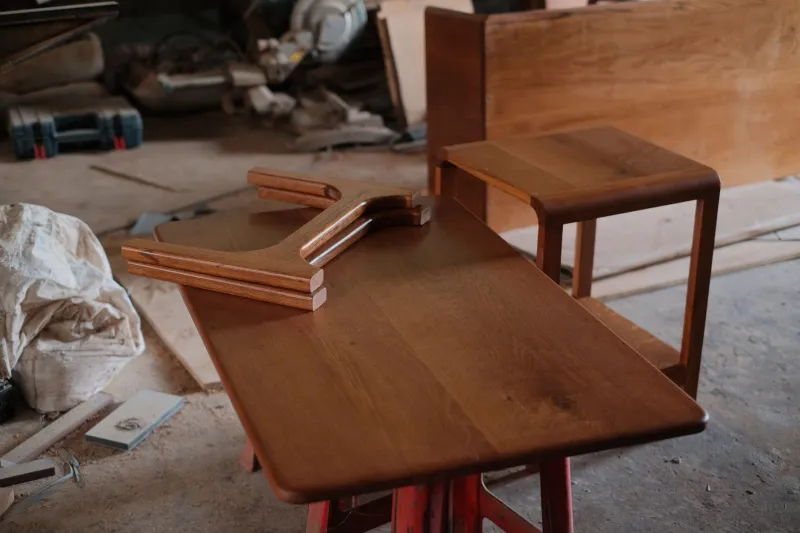
There is a particular kind of restlessness that sets in when a living room, bedroom, or home office begins to feel outdated. The instinct, reinforced by advertising and social media alike, is to start fresh—to clear everything out and begin again with a new collection. In practice, however, that approach is rarely necessary and almost never the most cost-effective path forward.
The more strategic move is to evaluate what you have with fresh eyes, determine what can be revived or repositioned, and then make deliberate, targeted purchases to fill the genuine gaps. This method—sometimes called furniture curation—is how professional interior designers consistently deliver polished results without exhausting their clients' budgets.
Start With an Honest Inventory
Before purchasing anything new or committing to a refinishing project, spend time assessing every piece in the room. Ask three questions about each item: Is the structure sound? Does the form still serve the space? And is the finish or upholstery the primary problem?
A solid wood dining table with a scratched surface, for instance, is not a damaged piece of furniture—it is a refinishing opportunity. A well-built upholstered chair with worn fabric is similarly salvageable. Structural integrity is the foundation of value in furniture; cosmetic issues are almost always addressable at a fraction of the replacement cost.
Conversely, a piece that wobbles, has compromised joinery, or simply no longer fits the proportions of the room may not be worth investing time and money into. Knowing the difference is the first and most important step.
DIY Refinishing: Where to Begin
For homeowners comfortable with light to moderate project work, refinishing wood furniture is one of the highest-return investments available in home improvement. A thorough sanding, followed by a fresh coat of stain or paint, can make a decades-old piece look entirely current.
A few techniques worth considering:
Chalk paint and wax finishing has become widely popular in the United States for good reason. It adheres to most surfaces with minimal preparation, dries quickly, and produces a matte, European-inspired finish that suits both traditional and contemporary interiors. Brands such as Annie Sloan and Rust-Oleum Chalked are widely available at major home improvement retailers.
Wood stain refreshing works particularly well on pieces where the grain is a feature worth preserving. Light sanding to remove the old finish, followed by a gel stain in a contemporary tone—warm walnut and cool gray-brown shades are especially popular right now—can modernize a piece without obscuring its natural character.
Hardware replacement is perhaps the most underestimated refresh technique available. Swapping dated brass pulls on a dresser for matte black or brushed nickel hardware takes less than an hour and costs under fifty dollars in most cases. The visual difference is disproportionate to the effort involved.
When to Bring in a Professional
Not every restoration project belongs in the hands of a DIY enthusiast, and recognizing that threshold is part of working strategically. Antique or heirloom pieces with significant monetary or sentimental value warrant professional attention. The same applies to pieces with complex veneer work, carved details, or intricate upholstery that requires pattern matching.
Professional furniture restorers and upholsterers operate across most metropolitan areas in the US, and many offer initial consultations at low or no cost. For a quality sofa with a solid frame, professional reupholstering can extend the life of the piece by fifteen to twenty years—often at a cost well below that of a comparable new sofa from a reputable manufacturer.
The calculation is straightforward: if the restoration cost is less than sixty to seventy percent of the replacement cost for a piece of equivalent quality, restoration is almost always the better financial decision.
Integrating Secondhand and Vintage Finds
One of the most effective ways to build a curated interior without overspending is to mix refinished or secondhand pieces with carefully chosen new furniture. This approach, long favored by professional designers, produces rooms that feel layered and intentional rather than catalog-coordinated.
Estate sales, local consignment shops, and online marketplaces such as Facebook Marketplace and Chairish are reliable sources for structurally sound vintage furniture at accessible price points. Midcentury modern pieces, in particular, are frequently available secondhand and tend to blend naturally with contemporary furnishings.
The key to making this mix work is consistency in either color palette or material. A room can successfully combine a vintage credenza with a new sectional sofa, provided both pieces share a common tone—warm wood against warm fabric, for example—or a unifying finish, such as brass hardware appearing on both old and new pieces.
Knowing Where to Invest in New Pieces
Even the most resourceful refresh strategy will eventually identify gaps that secondhand sourcing and refinishing cannot fill. Perhaps the existing sofa is genuinely beyond repair, or the dining chairs simply do not work with the updated table. These are the moments when purchasing new furniture becomes not only justified but essential.
When that time comes, quality and proportion should take priority over trend. Furniture purchased from established suppliers—those with transparent manufacturing standards and a track record of durability—will hold up to daily use and remain aesthetically relevant far longer than trend-driven pieces purchased at the lowest available price point.
At Traders Furniture, we work with homeowners, interior designers, and commercial buyers who understand this distinction. Our catalog is built around the principle that quality furniture, selected with intention, represents a long-term investment rather than a short-term expense. Whether you are sourcing a single accent chair to anchor a refreshed room or outfitting an entire space, we offer selections across a range of budgets without compromising on construction standards.
The Finished Room: Cohesion Through Intention
The goal of the curate-don't-replace approach is not simply to spend less money—though that is frequently a welcome outcome. The deeper purpose is to build a room that reflects genuine thought and intention, one where every piece has been evaluated, refined, or selected with purpose.
Rooms assembled in this manner tend to feel more personal and more sophisticated than those furnished in a single shopping trip. They carry history alongside modernity, texture alongside clean lines, and they adapt more gracefully over time because they were never dependent on a single moment's trend cycle.
Start with what you have. Invest where it matters. And when the time comes to add something new, choose with the long view in mind.