Buy Once or Buy Smart: Matching Your Furniture Budget to Its True Lifespan
Furnishing a home or commercial space is rarely a single transaction. It is a series of decisions made over time, each carrying its own financial weight and long-term consequence. The challenge for most buyers—whether a first-time homeowner in the suburbs of Atlanta or a seasoned interior designer outfitting a boutique hotel in Chicago—is knowing where to concentrate spending and where restraint is the wiser choice.
The answer lies in understanding the furniture lifecycle: a framework that accounts for how long a piece will realistically last, how well its aesthetic will age, and what residual value it may retain if circumstances change. Applied thoughtfully, this framework transforms furniture purchasing from guesswork into strategy.
Why Not All Furniture Ages the Same Way
Furniture categories differ dramatically in both physical durability and stylistic shelf life. A solid hardwood dining table built with traditional joinery can outlast its original owner. A trend-driven accent chair upholstered in a seasonal color may look dated within three years. These are not failures of the products themselves—they simply serve different purposes in a well-considered interior.
The lifecycle of any piece is shaped by three intersecting factors:
- Construction quality and materials, which determine structural longevity
- Design neutrality or specificity, which influences how long a piece remains visually relevant
- Demand in the secondary market, which affects resale or trade-in potential
Understanding these factors by category gives buyers a clearer lens through which to evaluate price points and make purchase decisions that align with their actual needs.
Sofas: The Case for Long-Term Investment
Of all residential furniture purchases, the sofa arguably carries the highest stakes. It occupies a central position in the living space, absorbs years of daily use, and anchors the visual identity of the room around it. For these reasons, the sofa is typically one of the strongest candidates for a premium budget allocation.
A well-constructed sofa—featuring an eight-way hand-tied spring system, hardwood frame, and high-density foam cushions—can realistically serve a household for fifteen to twenty years with proper care. Compare that to a budget-tier piece assembled from particleboard and sinuous springs, which may begin showing structural fatigue within three to five years, and the long-term cost equation shifts considerably.
Style longevity matters here as well. Sofas in classic silhouettes—clean-lined transitional designs, tailored Chesterfields, or low-profile mid-century forms in neutral upholstery—tend to remain relevant across shifting design trends. Highly stylized shapes or saturated upholstery colors, while visually compelling at the point of purchase, carry a higher risk of feeling dated as tastes evolve.
For buyers working with constrained budgets, the recommendation is straightforward: prioritize structural quality over surface aesthetics. A well-built sofa in a neutral fabric will outperform a visually striking piece of inferior construction in nearly every measurable way.
Dining Tables: Heirloom Potential Is Real
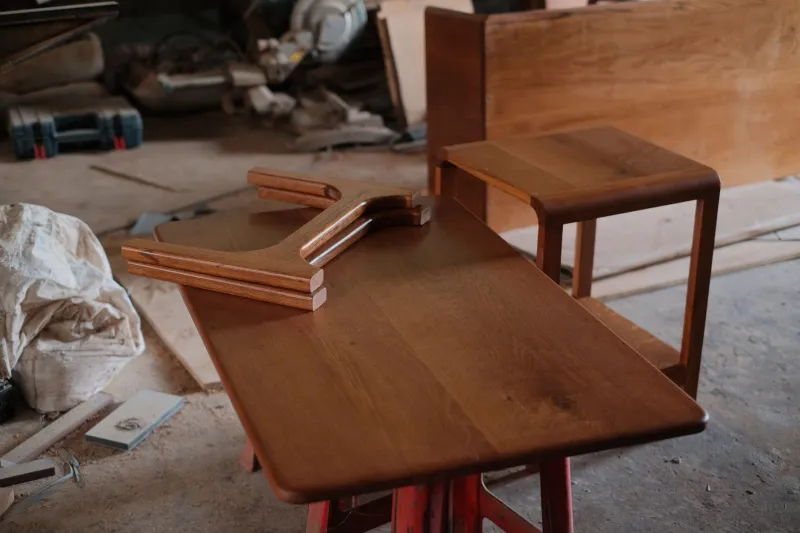
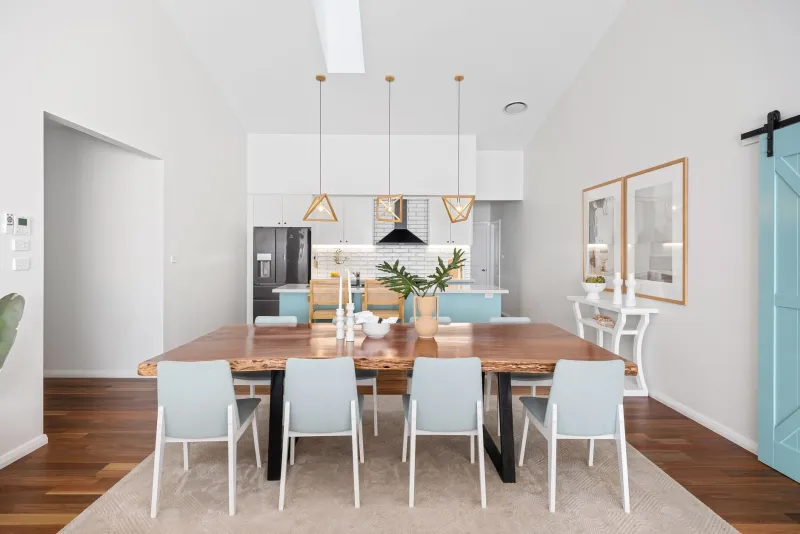
The dining table occupies a unique position in the furniture hierarchy. Unlike sofas or upholstered chairs, it requires no reupholstering and, when made from solid wood, can be refinished multiple times over its life. This makes it one of the most defensible categories for significant upfront investment.
Solid hardwood tables—particularly those crafted from oak, walnut, or maple—develop character with age rather than declining in appeal. They hold resale value better than almost any other residential furniture category, and antique or vintage examples regularly command prices that exceed their original cost. For buyers who may relocate, downsize, or redesign their interiors over time, a quality dining table is among the most liquid furniture assets available.
Extension tables, in particular, offer enduring functional value by adapting to changing household sizes and entertaining needs. A well-designed pedestal or trestle table with a leaf mechanism represents a one-time investment that accommodates decades of shifting circumstances.
Where budget flexibility exists, the dining table is one of the clearest arguments for spending more now to spend nothing later.
Office Chairs: Performance Over Prestige
The office chair presents a somewhat different calculus. Unlike decorative furniture, it is fundamentally a performance product—one whose primary job is to support the human body during extended periods of use. In this category, investment should be evaluated through the lens of ergonomic function rather than aesthetic ambition.
A task chair with certified lumbar support, adjustable armrests, and a breathable mesh back from a reputable manufacturer will typically carry a ten-to-twelve-year warranty and deliver measurable benefits in comfort and productivity. The cost, while higher upfront, distributes favorably across years of daily use.
However, the design lifespan of office chairs is notably shorter than that of case goods or upholstered seating. Workplace aesthetics evolve, and chairs that feel contemporary today may appear institutional within a decade. For commercial buyers furnishing open offices or conference rooms, this argues for selecting ergonomically sound models in timeless finishes rather than chasing design-forward options that may require replacement before they wear out.
For residential home offices, the priority calculus remains the same: function first, aesthetics second.
Accent Pieces: Where Trend-Forward Choices Make Sense
Not every furniture purchase needs to be a long-term commitment. Accent pieces—side tables, ottomans, decorative benches, occasional chairs—occupy a different position in the lifecycle framework. They are often the elements through which a space absorbs current design energy, and their relatively lower price points make periodic replacement a reasonable strategy rather than a failure of planning.
A sculptural side table in a trending material or finish can inject vitality into a room without requiring the same financial commitment as a sofa or dining table. When that trend passes, the piece can be donated, resold, or repurposed without significant loss. This is not a compromise—it is an intentional use of the furniture lifecycle framework in practice.
For interior designers, accent pieces are also among the most effective tools for refreshing a client's space between larger furniture investments. Swapping out a coffee table or introducing a new set of accent chairs can dramatically shift the character of a room at a fraction of the cost of a full redesign.
Building a Lifecycle-Informed Furniture Strategy
Applying this framework across a space—whether residential or commercial—produces a natural hierarchy of spending priorities. The foundational pieces that will be used most intensively, replaced least frequently, and anchored most visibly in the space deserve the highest budget allocations. The decorative and functional periphery can absorb more affordable, trend-responsive selections.
A useful shorthand: spend generously on what you sit on and eat at, spend thoughtfully on what you work in, and spend flexibly on everything else.
At Traders Furniture, this philosophy shapes the way we approach both our wholesale and retail offerings. We carry pieces across the full quality spectrum precisely because intelligent furnishing is not about spending the most—it is about spending correctly. The right piece at the right price point, matched to its intended lifespan, is always the smartest trade.
When in doubt, ask not what a piece costs today, but what it will cost you over the next decade. That single shift in perspective is often enough to transform a furniture purchase from a transaction into a genuine investment.