From Surplus to Sale: A Practical Guide to Reselling, Upcycling, and Recycling Furniture
Furniture does not have to reach the end of its useful life simply because it no longer serves your current space or aesthetic. Across the United States, a robust secondary market has emerged—one where well-maintained sofas, dining sets, office chairs, and accent pieces change hands, find new purposes, or are responsibly recycled into something entirely different. For homeowners refreshing a room, interior designers managing client transitions, and businesses updating their commercial environments, understanding this market is not just practical—it is increasingly essential.
At Traders Furniture, we believe that quality pieces deserve a long life, and that life does not always have to continue with the original owner.
Understanding the Secondary Furniture Market
The resale furniture market in the United States has grown substantially in recent years, driven by a combination of economic pragmatism, environmental awareness, and shifting consumer values. Platforms such as Facebook Marketplace, Craigslist, OfferUp, and Chairish have made it easier than ever for sellers to connect with motivated buyers, often within their own metropolitan areas.
What distinguishes successful sellers from those who struggle to move inventory is largely a matter of presentation, pricing, and platform selection. A piece that photographs poorly or is listed at an unrealistic price point will linger indefinitely, while the same item—cleaned, well-lit, and competitively priced—can sell within hours.
Before listing anything, take stock of what you actually have. Solid wood construction, name-brand upholstery, and timeless silhouettes tend to hold value far better than trend-driven pieces or those built from composite materials. If your furniture was sourced from a quality supplier to begin with, that provenance works in your favor when it comes time to divest.
Selling Used Furniture: Platform Strategy and Presentation
Choosing the right platform depends heavily on the type of furniture you are selling and the audience you want to reach.
For everyday household pieces, Facebook Marketplace and OfferUp remain the most efficient options. Both platforms prioritize local transactions, which eliminates shipping complications for bulky items. Buyers on these platforms are typically deal-oriented, so pricing slightly below comparable listings will accelerate your sale.
For design-forward or vintage pieces, Chairish and 1stDibs cater to a more discerning audience—interior designers, collectors, and style-conscious consumers who are willing to pay a premium for the right item. These platforms require more thorough documentation, including detailed photographs and accurate descriptions of materials, dimensions, and condition.
For commercial surplus, platforms such as Liquidation.com or direct outreach to commercial resellers and office furniture dealers may be more appropriate than consumer-facing marketplaces.
Regardless of platform, photography is the single most important factor in online furniture sales. Use natural light where possible, clear the surrounding area of clutter, and shoot from multiple angles—including close-ups of any hardware, upholstery texture, or notable wear. A clean, honest listing builds buyer confidence and reduces the likelihood of disputes after the transaction.
Upcycling: Adding Value Before You Sell
Not every piece is ready to sell as-is. Some furniture benefits enormously from modest investment before it reaches the market—a process commonly referred to as upcycling. The goal is to increase perceived and actual value without spending more than the improvement will return.
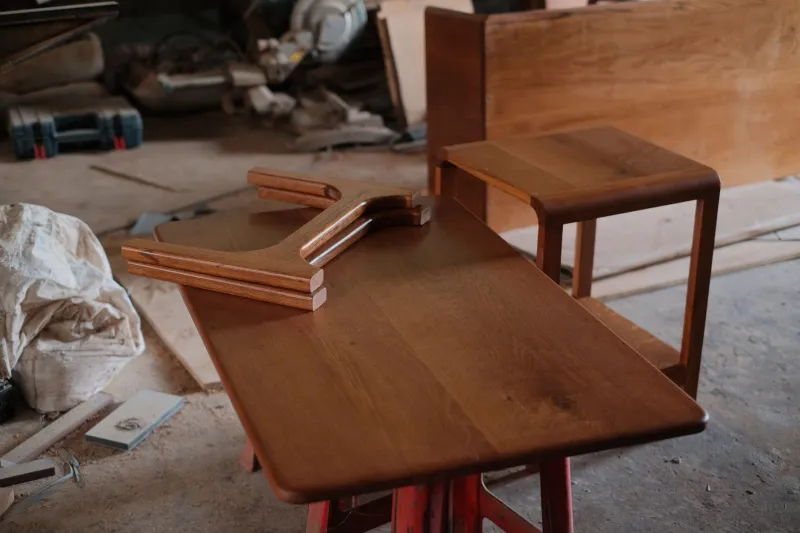
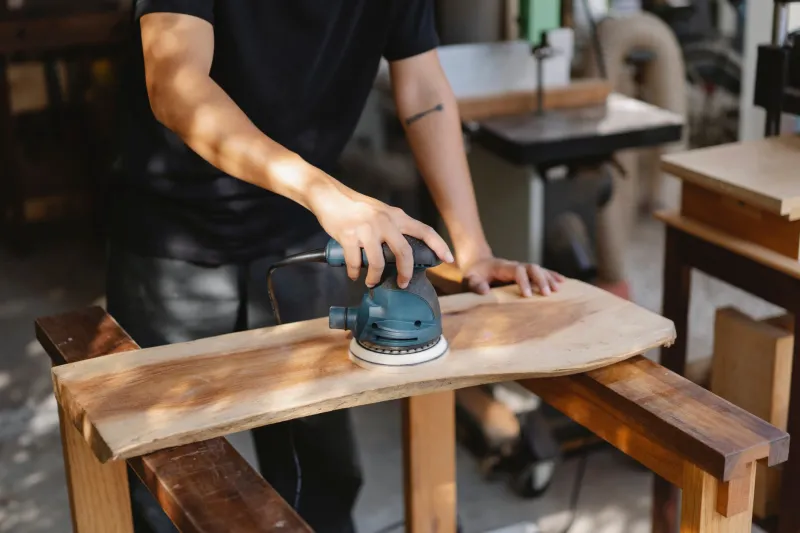
Refinishing wood surfaces is one of the highest-return interventions available. A dining table with a scratched or dated finish can be sanded and restained in an afternoon, emerging with an appearance that commands a meaningfully higher asking price. Similarly, replacing tarnished or outdated hardware on a dresser or cabinet—a project that costs very little—can shift a piece from overlooked to desirable.
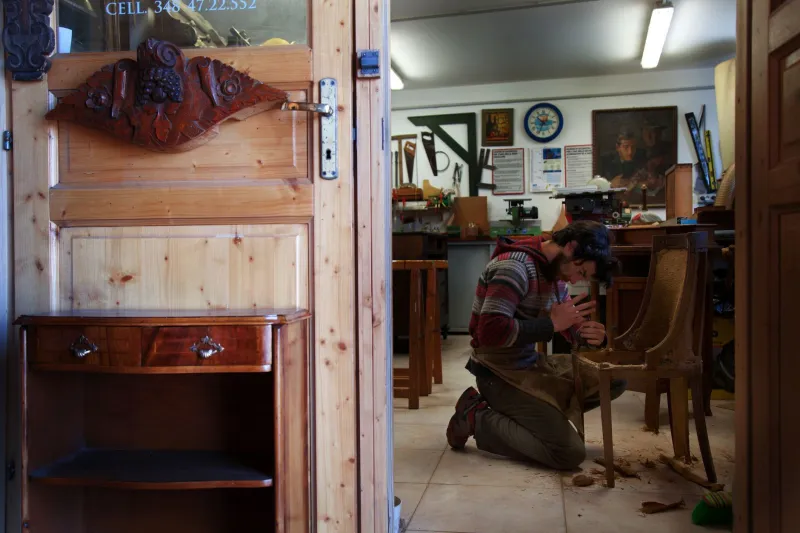
Reupholstering seating is a more involved undertaking, but for structurally sound chairs, sofas, or benches, new fabric can completely transform the piece. If you are comfortable with basic sewing and a staple gun, dining chair cushions are an accessible starting point. For more complex upholstery work, a local upholsterer can often provide a quote that makes the investment worthwhile, particularly for higher-quality frames.
Painting is perhaps the most accessible upcycling technique. A coat of chalk paint or a carefully applied furniture-grade finish can modernize a dated piece, making it relevant to current design sensibilities. Neutral tones tend to sell most broadly, though bold colors can attract buyers seeking a statement piece for a specific application.
The key discipline here is restraint. Not every piece warrants investment, and the most effective upcyclers develop a clear-eyed sense of which items merit the effort.
How Businesses Can Participate in the Circular Economy
For commercial buyers—offices, hospitality businesses, healthcare facilities, and retailers—furniture turnover is a recurring operational reality. A company that refreshes its workspace every five to seven years will accumulate substantial surplus, and how that surplus is handled has both financial and reputational implications.
Many businesses are now formalizing their approach to furniture divestiture as part of broader sustainability commitments. Several practical options exist:
Liquidation partnerships with commercial resellers allow businesses to sell surplus furniture in bulk, often at a fraction of original cost but with minimal logistical burden. This approach prioritizes speed and simplicity.
Charitable donation to nonprofits, schools, or community organizations can yield tax deductions while supporting local communities. Organizations such as Habitat for Humanity ReStores accept a wide range of commercial furniture and provide documentation for tax purposes.
Manufacturer take-back programs are increasingly offered by contract furniture brands committed to sustainability. These programs ensure that end-of-life materials are handled responsibly, often through recycling or component recovery.
Internal redistribution is frequently overlooked but can be highly effective in larger organizations. Before sending furniture to a reseller, circulating availability notices internally may allow other departments or satellite locations to absorb useful pieces at no cost.
Adopting a circular approach to commercial furniture not only reduces landfill contribution but also lowers the net cost of future procurement—a consideration that resonates with both finance teams and sustainability officers.
Making the Most of What You Buy Next
The most effective way to participate in the secondary furniture market as a seller is to make thoughtful purchasing decisions as a buyer. Furniture built from durable materials, with classic proportions and quality joinery, retains value over time and remains desirable to secondary buyers when the time comes to move on.
At Traders Furniture, our inventory is curated with longevity in mind. We work with suppliers who prioritize construction quality and material integrity—characteristics that serve our customers not just on the day of purchase, but throughout the full life cycle of each piece. Whether you are furnishing a home, outfitting a commercial space, or advising clients as a design professional, investing in quality from the outset is the foundation of a sound furniture strategy.
The secondary market rewards exactly the kind of furniture that Traders Furniture specializes in providing. That is not a coincidence—it is a reflection of what enduring value actually looks like.